AI-powered resource discovery. Free. For everyone who serves.

Because frontline work is already hard enough.

The Problem

Every minute lost to a broken search system is a minute not spent connecting with the person in front of you.

Ontario alone has 60,000 community programs and services in databases like 211 - systems that don't understand your context and don't remember your last search.

We know that broken search isn't the hardest part of frontline work. But it's a part we can do something about.

60,000+
community programs and services in Ontario alone — buried in systems that don't understand context.
What We're Building

Lemy

That's what Lemy is for. Lemy is an AI-powered resource discovery widget that embeds inside the tools frontline workers already use. One search bar. Natural language. Results in seconds. No new system to learn.

It does two things that nothing else in this space does:

1

It finds what workers need.

Lemy understands natural language, context, and the relationships between services, people, and needs ("Mandarin-speaking walk-in support for a senior veteran") returns relevant matches even if no database has that combination of filters.

2

It captures what workers know.

Experienced frontline workers carry knowledge no database holds. When those workers leave, everything they know leaves with them. Lemy captures that knowledge as a byproduct of daily work - one-tap signals, AI-generated annotations and anonymized referral signals from case management systems. Individual expertise becomes organizational memory.

The point is not efficiency, but affinity. Thirty seconds instead of fifteen minutes gives those minutes back to the person in front of them — hearing their story, making a referral someone will take seriously because a trusted worker made it.

What accumulates

Every search, every referral, every annotation generates data the sector has not had - what communities need, where the gaps are, which services actually deliver - with no extra data entry. The intelligence is a byproduct of the work.

nuAmple believes the people doing the hardest work in our communities deserve more than what the sector has been able to give them.

Free to organizations. Funded by donors as public infrastructure.
Our Roots

How we got here.

2018–2022
Ample Labs. CG Chen founded Ample Labs after friends experienced housing instability. Built Canada's first conversational AI for homeless services in Toronto. Raised $1M. National media. The need was validated. But 'stateless' chat didn't fit frontline workflow. By 2022, wound down. The need was validated. The approach needed rethinking.
2023
A new steward. Ample Labs was handed to John Rademaker — four startups, one IPO, and a street-level view of life. A path through addiction and recovery — including jail, rehabs, and volunteer work in prison, locked psychiatric wards, recovery facilities, and youth programs — gave him connection to marginalized communities that most tech CEOs never have.
2024
Homeless Connect Toronto. Thirteen years in service to GTA's homeless community led to launching Everyday Connect. EC is an online portal accessing a curated list of trusted partner resources.
2025
nuAmple. From Ample Labs: relationships, credibility, knowledge of what doesn't work. From HCT: a trusted platform, network of partners, and 13 years of community. What Ample Labs got wrong is what Lemy is built to fix.
Teammates

Leadership

John Rademaker — Founder & CEO. Tech startup CEO: Four funded, one IPO (Wall Street CEO with NASDAQ:SYNX). A path through addiction and recovery — including jail, rehabs, and volunteer work in prison, locked psychiatric wards, recovery facilities, and youth programs — made connection to the communities this project serves.

Georgia Mackenzie-MacPherson — EC Product Manager. Entrepreneur with deep nonprofit sector experience and a deft instinct for community engagement. Principal at MacMac, and designer of the initial Everyday Connect.

Core Team

Jimmy Yim (Miydesign) — Design Studio. Leading Lemy's visual design and brand identity.

Board & Advisors

CG Chen — Founding Advisor. 3x Founder, YC alum. Founded Ample Labs in 2018. Built Canada's first conversational AI for homeless services. Created the foundation nuAmple is built on.

Geordie Graham — Board. 2x founder, YC alum. Co-founded Ample Labs. Product and user experience, thought leader in UXR.

Kay Taylor — Board. Organizational leader and consultant, MBA, specializing in personal development and transformational practice.

Who Is Involved

Our Coalition:

Homeless Connect Toronto
13 years of community trust, Everyday Connect, and frontline access across the GTA.
Toronto 211
17,000+ verified programs and services
Cohere
AI NLP infrastructure (Catalyst program).
Sahaj
AI development (Sahaj Impact).
Osler
$50,000 in pro bono legal support
MacMac
Design studio for Everyday Connect.
Our Intervention

What Lemy is

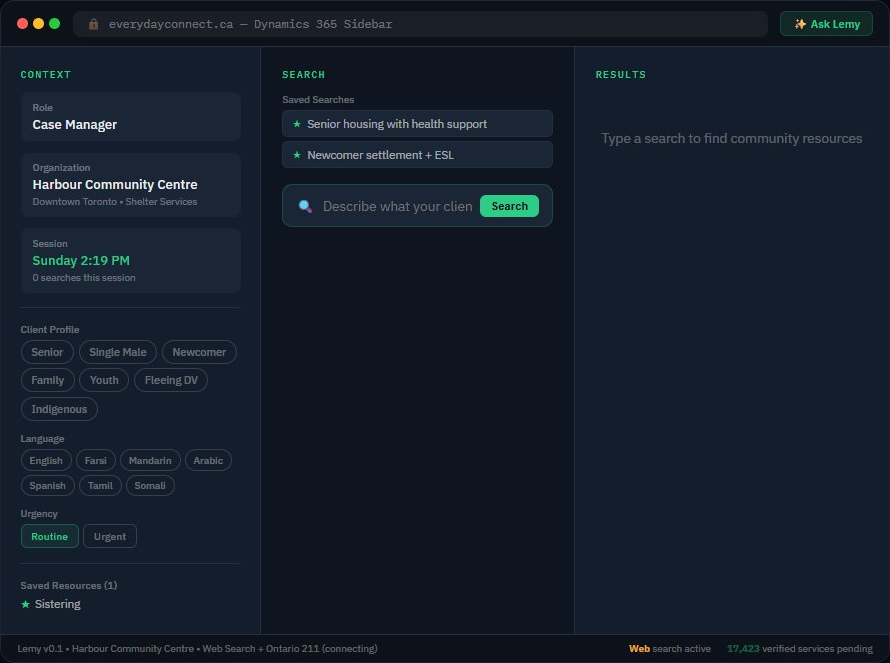
Lemy (Let me... help you) is a portable AI widget for any website, portal, or case management system. Workers click "Ask Lemy," describe what they need in plain language, and get relevant results immediately. Context retained across queries - no starting over.

[Lemy phone mockup — Context Panel / Dynamic Search / AI-Matched Results]

How it searches

211 has the most useful information — eligibility, intake procedures, languages, practical notes — buried in unstructured text. Lemy understands intent through context and meaning, not keywords. ("Mandarin-speaking walk-in support for a senior veteran") returns relevant matches even if no database has that combination of filters.

How it captures knowledge

Workers contribute lore through the lightest possible friction: one-tap referral signals, AI-generated annotation options they confirm with a tap, and free-text notes when they choose. The system also captures anonymized referral patterns from case management systems.

One frontline worker told us: "Workers don't so much keep lists of services. They keep lists of people who respond." Lemy makes that knowledge shareable. Individual expertise becomes organizational memory.

What accumulates

Searches, referrals, and annotations generate data as a byproduct of the workflow. No extra data entry. Over time: what communities need, where the gaps are, which referrals connect.

Lemy in Everyday Connect

For the PoC, Lemy deploys inside Everyday Connect, Homeless Connect Toronto's resource portal — 13 years of community credibility, an established user base across the GTA.

For HCT and its partners, the immediate result is a more capable Everyday Connect — 60,000+ more listings, with knowledge capture and activity tracking that EC has never had.

Lemy is portable. What we prove inside EC can go anywhere.

The proof of concept validates the foundation — semantic search and lore capture with real frontline workers. What comes next builds on that foundation.

Future Roadmap

Lemy's Evolution: What Comes Next

Phase 2: Adaptive Intelligence & Referral Signals

Introduces GenUI, adapting to each worker's context, role, and search history. Evolves from static search into a dynamic learning tool.

An anonymized referral signal from internal case management notes will reveal patterns of service usage and gaps - valuable data previously unseen.

Phase 3: Community Intelligence & Impact

Building on Phase 2, Lemy will aggregate referral data across organizations to create a living map of community needs and service ecosystems.

This gives funders, planners, and policymakers actionable data, moving beyond guesswork to inform strategic decisions that address societal challenges.

Our Vision

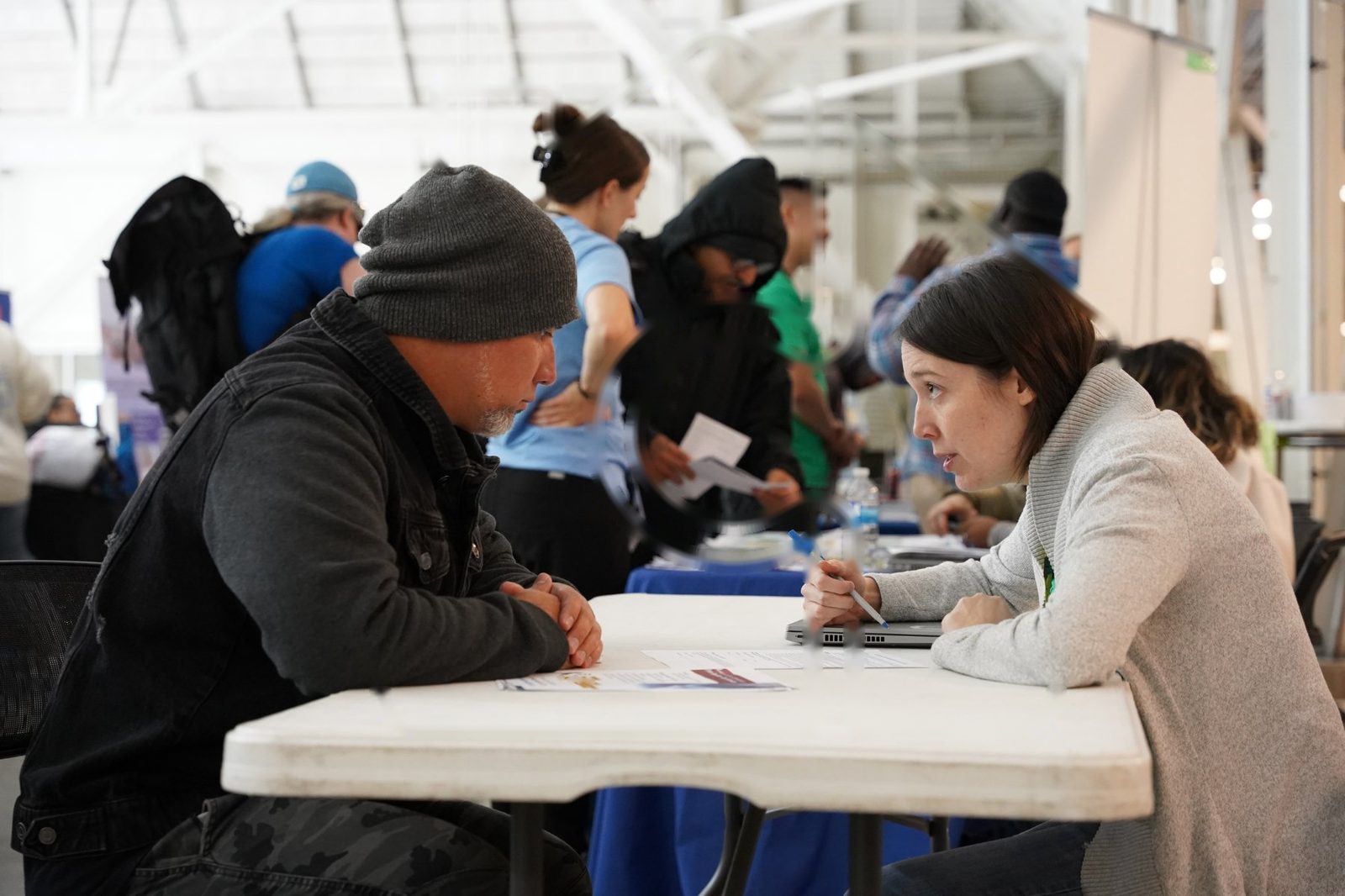
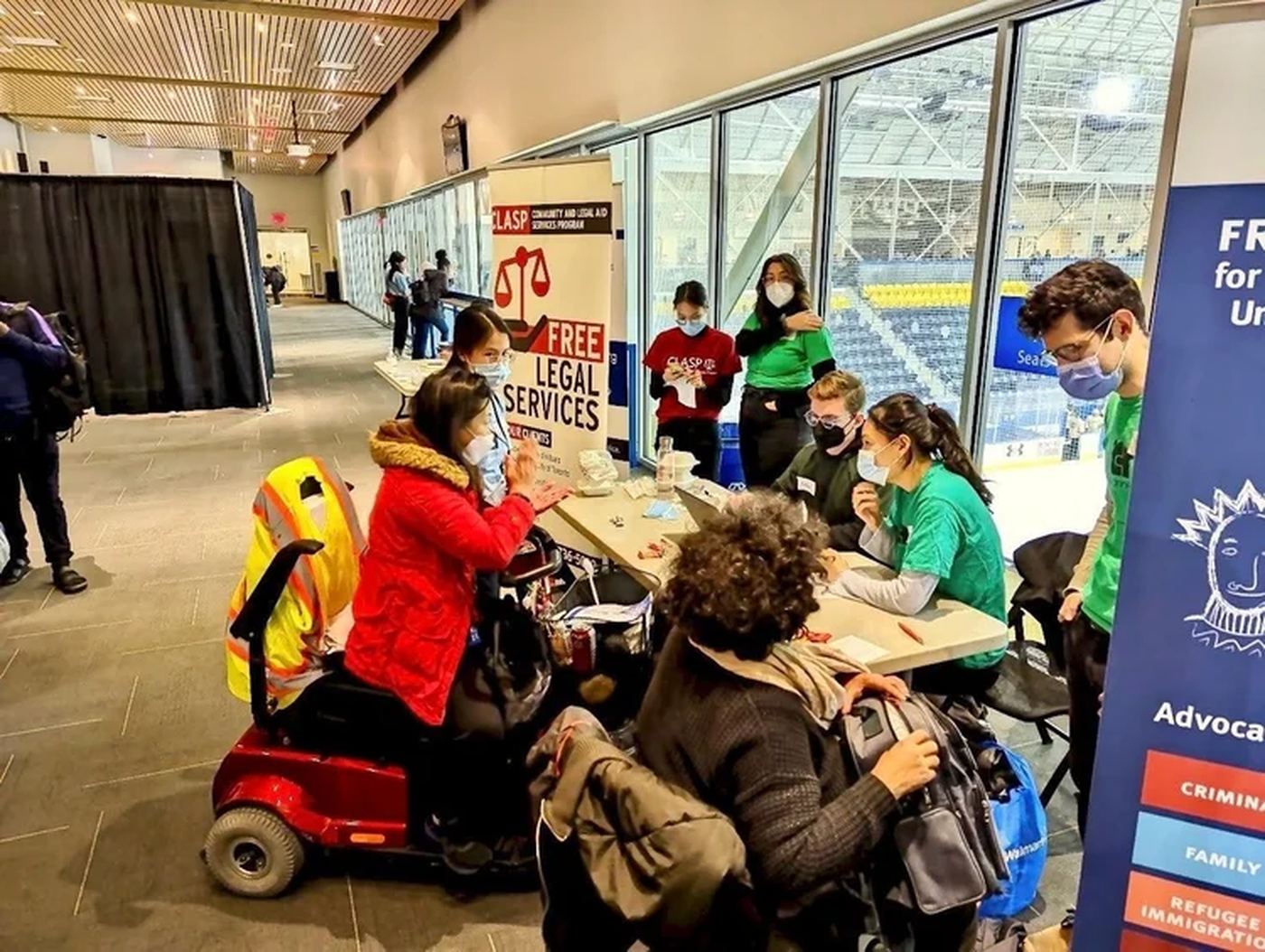
Frontline workers hold communities together, sitting with people during some of the hardest moments in their lives. They listen, search for help, make referrals they hope will land. Nobody captures what they know. When they leave, it leaves with them.

The systems they depend on weren't built for them. Every minute lost to a broken system is a minute not connected with the person in front of them.

nuAmple gives workers time back and captures the knowledge that would otherwise disappear. We're not a vendor, but a coalition of technologists, nonprofit leaders, frontline professionals, and donors offering no-cost public infrastructure for the people who serve.

How We Work

Relationships first.

We work with communities, not for them. Every partnership starts with listening.

People, not products.

Technology is the tool. The person across the table is the point. We build to deepen connection, not to add complexity.

Close the gap.

The workers doing the hardest work have the least access to good technology. We're here to change that.

Built with, not for.

Frontline workers shape what we make. If it doesn't work in their hands, it doesn't work.

Our Strategy

Every city has frontline workers navigating fragmented systems. Most have 211. If this works in Toronto, the model is portable. We're just trying to find out what works.

Finding out takes a proof of concept. A PoC takes resources.

What it takes

The Investment

Roughly $50,000 for Phase 1: build Lemy, deploy inside Everyday Connect, measure results, publish findings.

We are willing to earn our way with meaningful accomplishment. Success at each stage will justify the funding of the following.

We publish regardless of outcome.

What $50,000 activates

The PoC — $50K

Research Investment

Deploy with real workers. Measure what happens. Publish findings.

The MVP — $50K

Build Investment

Contingent on PoC results. Adaptive interfaces, case management integration, org adoption beyond the pilot.

The Analytics — ~$15K/mo

Infrastructure Investment

The Community Intelligence Infrastructure. Referral patterns available to funders and planners. Earned revenue through analytics sustains the free frontline tool.

$75K+
In-Kind Committed
$50K
Raising
$30K+
Spent by Founders
$0
Cost to Orgs
What Comes Next

What we expect to learn

Modest

The problem is harder than assumed. We publish what we find. Sector gains data it didn't have.

Encouraging

Lemy improves search quality. Fits workflow. Evidence supports expansion.

Strong

Organizations beyond the pilot want in. New platforms. New cities.

How to Participate

As a Donor

$50,000 funds the proof of concept. $1,000 funds a week of frontline research. Every contribution moves this forward. nuample.org/support

As a Prospective Partner

Collaborate with us during development. Show us what you need. Test what we build. Give us honest feedback.

As a Sector Observer

Watch the work. Review the findings. Assess whether this model works in your context.

As a Skeptic

Hold us accountable for results, not promises. We publish regardless of outcome. Judge us on execution.

FAQ
"Why can't frontline workers just use Google or 211 directly?"
They can, and do. But it takes minutes, not seconds. Google doesn't understand "young mother fleeing DV, two kids under 5, west end, speaks Farsi." It returns ten blue links. 211 has 60,000 listings but the best information is buried in unstructured notes that keyword search can't reach. And neither learns what your organization needs, or captures what experienced workers know. Lemy does all of that.
"Why is this free? What's the catch?"
There is no catch. Most community organizations operate on annual grants. They don't have procurement departments or software budgets. The moment we charge for this, the organizations that need it most can't get it. nuAmple is funded by donors as public infrastructure — the same model that funds 211 itself. The catch is that we have to raise the money. That's our problem, not theirs.
"How is this different from what Ample Labs tried?"
Ample Labs proved the need. It also proved what doesn't work — search that starts from scratch every time. Lemy is built specifically to fix this. It maintains context across queries. It embeds inside tools workers already use. And this new AI didn't exist when Ample Labs was built. We're not repeating the experiment. We're applying what we learned.
"What happens if it doesn't work?"
We publish what we find. This is a research project. If Lemy doesn't improve frontline workflow, that's a finding the sector needs. If it works modestly, we document where and why. Every outcome produces data that didn't exist before. The $50,000 funds the proof of concept and the published findings.
Frontline work carries a cost that doesn't appear in job descriptions. We can't change that. We can make sure the systems aren't adding to the weight.

Better technology won't solve homelessness. But it can make sure that when someone asks for help, the person they've reached has the time to listen.

john@nuample.org — If any of this is relevant to your work, we'd welcome a conversation.

Contact us